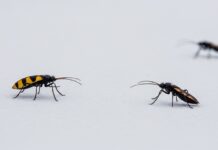
Ants may show up in Highland Village homes because of the warm weather, the presence of moisture, and expanding neighborhoods. But should homeowners be concerned about an ant infestation? The answer depends on the type of ant, where it appears, and how long it stays.
Ants enter homes for food, water, and shelter. They are drawn to kitchens that attract ants due to crumbs, spills, and pantry items. Also, they can target bathrooms because of moisture from sinks, tubs, and plumbing lines. Ants are not carriers of any disease, but they can raise a sanitary concern since they crawl everywhere. Thankfully, homeowners can rely on Highland Village pest control services to help eliminate current infestations.
Table of Contents
Common Ant Species Found Indoors
Several species of ants can appear inside homes around Highland Village. Odorous house ants are quite common. They seek sweet foods and often travel in long trails. While annoying, they pose little risk to people.
Carpenter ants raise more concern. They do not eat wood, but they tunnel through it to build nests. Their presence may signal moisture-damaged wood inside walls or near windows.
Fire ants rarely nest indoors but may enter during heavy rain or heat. Their sting causes pain and discomfort, which makes their presence more troubling.
Pharaoh ants appear small but spread fast. They nest in wall voids and respond poorly to improper treatment, which can cause colonies to split.
Health Concerns Linked to Ants
As ants travel through drains, trash, and outdoor areas, they pick up bacteria. They can transfer these germs when they crawl across food or surfaces. Food contamination becomes more likely when ants access counters or stored items. Also, ant activity may trigger discomfort for people with some allergies.
Structural Risks From Certain Ants
Carpenter ants may damage wood over time. They prefer damp or weakened areas, such as window frames, rooflines, or areas near leaks. Their tunnels weaken structural wood and may signal deeper moisture issues.
Emotional Stress and Daily Disruption
Ant infestations can cause stress beyond physical risk. Constant cleaning and monitoring disrupt daily routines. Many homeowners feel uneasy when ants appear in bedrooms or living spaces. This sense of invasion leads to anxiety, especially when ants return after cleaning.
Why Ants Keep Coming Back
Ants rely on scent trails to guide others to food and water. Cleaning visible ants does not remove these trails. Without proper treatment, new ants follow the same route inside. Outdoor nests near foundations are also a factor. Landscaping, mulch, and soil near homes provide nesting sites. When these nests stay active, ants continue to explore indoors. In Highland Village, mild winters allow colonies to survive year-round, which increases the chance of repeat issues.
Are Ants a Sign of Poor Housekeeping?
Many people worry that ants reflect poor cleanliness. This is not always true. Ants enter clean homes as often as cluttered ones. A few crumbs or drops of moisture may attract ants, but entry points and outdoor conditions matter just as much. Even sealed homes may face ant pressure when nearby nests grow large.
When Ants Become a Bigger Concern
A few ants may not be alarming. But larger numbers, repeated trails, or activity in multiple rooms raise concern. Ants that appear daily can suggest an established colony nearby. Sightings near walls, outlets, or cabinets may indicate indoor nesting.
DIY Efforts and Their Limits
Many homeowners try store-bought sprays or baits first. While these may reduce visible ants, they often fail to address the nest. Some products can only repel ants. This causes ants to change routes or move deeper into walls. Improper bait use may also spread certain species, such as pharaoh ants.
Professional Insight and Peace of Mind
Professional pest control brings clarity to ant issues. Experts identify species, locate nests, and choose treatments that target the source. Romney Pest Control professionals also assess outdoor conditions that support ant activity. This includes foundation gaps, moisture issues, and landscaping patterns.